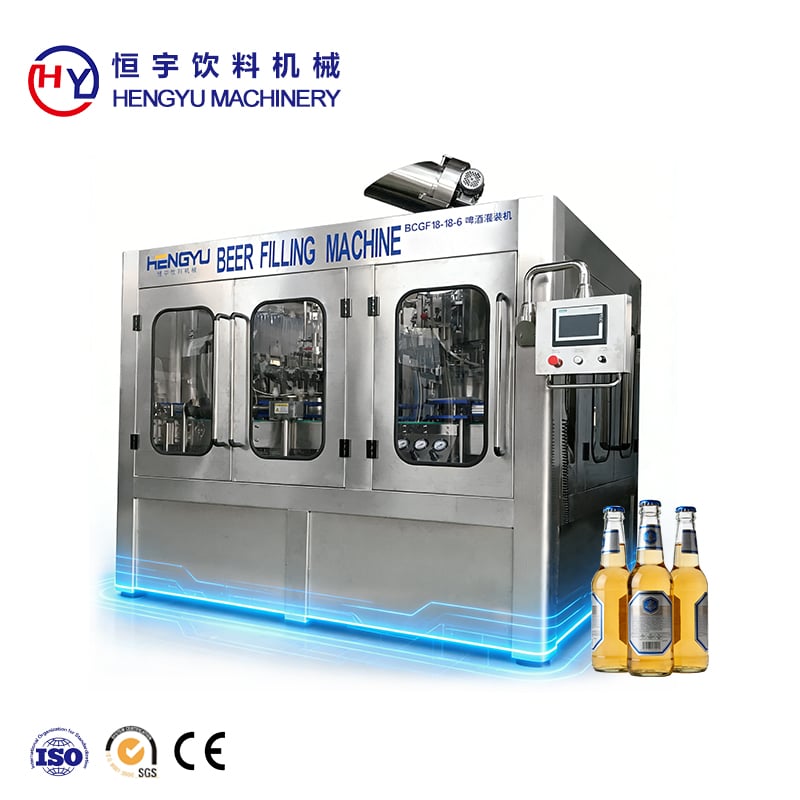
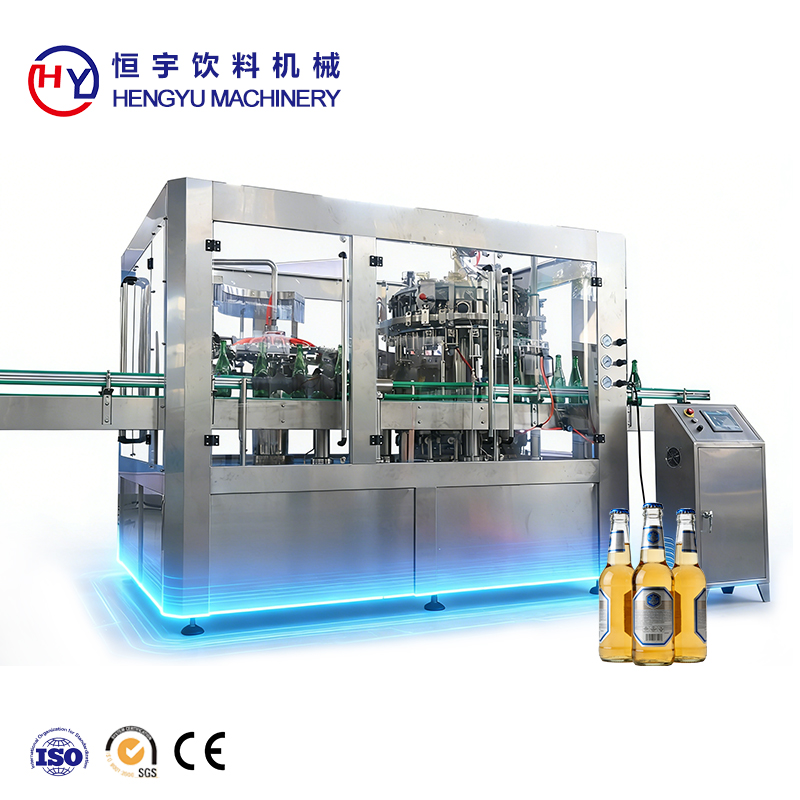
Integrated Quality Control Systems Protect Brand Reputation
Quality control systems embedded throughout beer bottling lines provide comprehensive inspection capabilities that safeguard brand reputation by preventing defective products from reaching consumers. These automated inspection technologies operate at production speeds, examining every single bottle without slowing throughput or requiring dedicated quality control personnel to manually check packages. Vision systems utilizing high-resolution cameras and sophisticated image processing algorithms inspect filled bottles from multiple angles, detecting issues invisible to human observers or catching problems that might escape notice during manual spot-checking. Empty bottle inspection occurs immediately after rinsing, with cameras examining container interiors for residual debris, cracks, or manufacturing defects that could compromise package integrity. Rejecting flawed bottles before filling prevents product waste and ensures only sound containers enter the packaging stream. Fill-level inspection stations use optical sensors or camera systems to measure liquid height in each bottle, comparing actual levels against programmed specifications and automatically diverting bottles that fall outside acceptable tolerances. This verification ensures regulatory compliance while maintaining the visual consistency customers expect from professional products. Cap application monitoring systems check that closures are present, properly seated, and correctly oriented on every bottle. Missing caps, crooked applications, or improperly torqued closures trigger automatic rejection, preventing leakage issues and package failures that generate customer complaints. Label inspection technology verifies proper label placement, orientation, and adhesion, ensuring attractive package presentation that supports brand image. Crooked, wrinkled, or missing labels indicate quality problems that diminish shelf appeal, and automated detection eliminates these presentation flaws. Advanced systems incorporate code verification that confirms printed date codes, batch numbers, and other variable information are legible and accurate, supporting traceability requirements and preventing mislabeled products from creating inventory management problems. Integration with production management systems allows quality data collection that identifies trends, highlights recurring issues, and supports continuous improvement initiatives. Statistical analysis of rejection rates, defect types, and performance metrics provides insights that guide maintenance scheduling, process adjustments, and equipment optimization. The cumulative effect of these integrated quality control systems creates multiple inspection layers that virtually eliminate defective products escaping detection, protecting consumers from flawed packages while preserving brand reputation and minimizing recall risks that could devastate business operations.

 CN
CN